Four Decades of Labour Market Transformations in India: 1983 to 2024
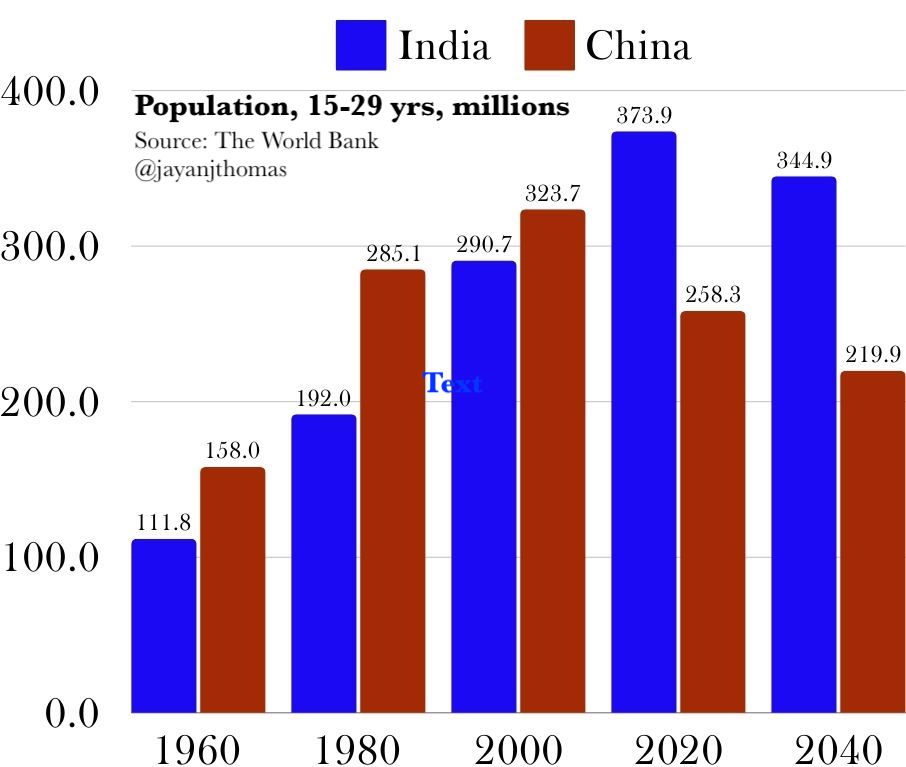
In 2020, India accounted for a fifth of the worldwide population of 15 to 29-year-olds. This young population could be a fulcrum for future economic growth within the country and globally. At the same time, creating jobs for new entrants to the labour market will be a growingly critical policy challenge.
There has been a huge rise in aspirations for upward mobility, with a doubling of the population of India’s young (15 to 29 years) attending schools or colleges (to 120 million in 2022-23). Nevertheless, most Indian workers continue to be in ‘disguised unemployment’ in agriculture or seek a livelihood in the informal sector. Many women report being out of the labour market and instead attending to domestic duties within their households. Unemployment figures reported by official employment surveys do not capture the extent of the employment challenge.
‘Labour Market Changes in India, 2005–18: Missing the Demographic Window of Opportunity?’, Economic and Political Weekly, August 2020.
Unemployment among the young increased sharply as the gap between labour absorption and labour supply widened in India during 2012–18. During this period, the non-agricultural sectors—industry, construction and services–were unable to absorb the rising supply of young adults who were potential job seekers. The growth of rural incomes and rural construction jobs slowed down and manufacturing employment declined by one million jobs. Women responded to the labour supply—demand mismatch by withdrawing from the labour market altogether. The jobs crisis among men aged 15 to 29 years was acute, as they comprised 68.3% of all the unemployed in India in 2018.
This article has been cited in the New York Times, 23 March 2021
 Labour Economy Development